
In short: It depends on where the water came from. A burst pipe or failed water heater is usually covered by a homeowners policy. A sewer, cesspool or sump pump backup usually needs a separate add-on. Water that comes in from outside, from storm surge or flooding, usually needs a flood policy, and flood policies cover very little in a basement. Here is how each one usually works and what to do so your claim is not turned down.
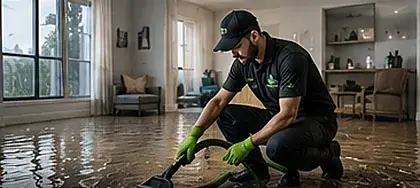
Six inches of water in a finished basement, with a playroom, a guest room and the laundry, usually brings one question before anything else: "Is this going to be covered?" It is the question we hear most, and the honest answer is that it depends almost entirely on where the water came from.
We are a restoration company, not an insurance agent, and every policy is different. Your agent and your policy have the final word. But after more than twenty years of working in Long Island homes, here is how it usually works and what you can do to protect your claim.
Water from inside the house: usually homeowners insurance
When the water comes from a pipe, tank or appliance inside the house, and it happened suddenly, most standard homeowners policies cover the damage it caused. Common examples in Long Island basements:
- A water heater tank that splits
- A supply pipe that bursts, including one that froze
- A washing machine hose that breaks
- A boiler or heating pipe that leaks suddenly
Two catches. First, the policy usually pays to dry and repair the damage, not to replace the broken water heater or pipe itself. Second, "sudden" matters. A slow drip that went on for months, rotting the bottom of the wall, is often treated as wear and tear or lack of maintenance and turned down. That is why we write down what we find at the source on the first visit.
Sewer, cesspool and drain backups: usually a separate add-on
When waste water comes up through a floor drain, a basement toilet, a shower or a laundry sink, a standard policy usually does not cover it. You need a sewer and drain backup endorsement, which many people do not know they are missing until the day they need it.
This matters a lot on Long Island. In most of Nassau, homes are on public sewer, and backups come from clogged lines, often roots in old clay or cast iron pipes. In most of Suffolk, homes drain to a cesspool or septic system, and after days of rain a full system pushes waste water back into the house. Either way it is category 3 water and has to be cleaned with protective gear and disinfection. See our sewage cleanup page.
Sump pump failure: usually the same add-on
If your basement has a sump pump and it fails, often because a storm knocked out the power, the water that rises out of the pit is usually covered only if you have the backup endorsement, sometimes worded as "water backup and sump discharge or overflow." Check the words in your policy. A battery backup pump is far cheaper than a basement full of water.
Water from outside: usually flood insurance, and it covers little in a basement
Water that comes in from outside, from storm surge, an overflowing canal, a high tide in a nor'easter or rain that floods the ground and pours in through window wells, is "flood" in insurance terms. Standard homeowners policies leave it out. It is covered by a separate flood policy, usually through the National Flood Insurance Program, which many South Shore homes in Long Beach, Oceanside, Freeport, Lindenhurst and Babylon carry, often because their mortgage requires it.
Here is what surprises people: flood policies cover very little in a basement. In general they cover the structure and essential equipment, like the furnace, water heater, electrical panel and the washer and dryer, plus cleanup. Finished walls, carpet, furniture and most belongings in the basement are usually not covered. If you have a finished basement in a flood zone, ask your agent exactly what your flood policy does and does not pay for down there.
Groundwater seepage: usually not covered
When the water table rises and water seeps through the slab or the floor joint over days, most policies treat it as a maintenance or groundwater issue and do not cover it. It still needs drying, because a wet slab feeds mold, but plan on that being out of pocket.
How to protect your claim, whatever the source
- Stop the water and make the space safe. Shut the water, and turn off power to the basement if you can do it from a dry spot.
- Film everything before cleaning. The source, the waterline on the walls, the floor, and every damaged item.
- Start drying right away. Your policy expects you to keep the damage from getting worse. Waiting for an adjuster while water sits gives the insurer a reason to deny the mold and secondary damage.
- Keep what you remove until it is photographed and listed. Do not put soaked carpet and furniture at the curb before the adjuster has seen it or has photos.
- Keep every receipt, including hotel bills if you had to leave, and the extra electricity from drying equipment.
- Write down the timeline: when you found the water, when you called, what you did.
What we do for your claim
From the first visit, we photograph the damage before we move anything, record where the water came from, take moisture readings every day and write the scope of work the way adjusters want to see it. We can bill your insurance company directly on a covered claim, so you deal with your deductible and we deal with the paperwork. The full process is on our insurance claims page and our flooded basement page.
Check your policy before the next storm
Take ten minutes this week and look for three things in your policy: whether you have sewer and drain backup coverage and its limit, whether you have flood insurance if you are near the water, and what your deductible is. Then call your agent with any questions. It is a much easier conversation to have on a dry day.
Water in your home right now?
Call 516-905-5970. A real person answers 24/7 and sends a crew from Huntington Station across Nassau and Suffolk. Or send the dispatch ticket and we call you back.